formulation-ready cost-efficient ingredients high quality aminolevulinic acid
Cell-based production leans heavily upon a wide assortment of input materials to create novel bio-derived items.
Assuring durable supply chain sourcing dictates persistent stability and principled industry advancement.
various risks tied to conventional feedstock acquisition for example habitat harm and overextraction of resources. Therefore, biomanufacturing companies must actively seek out alternative sourcing strategies to minimize their ecological footprint.
- Illustrations of eco-conscious sourcing involve:
- Adopting organic-origin materials from crop remnants
- Installing reclamation workflows to diminish waste and heighten recovery
- Building relationships with nearby vendors dedicated to moral sourcing
Such a move to ethical procurement delivers ecological gains and commercial returns over time.
Advancing Biomass Preparation for Elevated Biofuel Production
Raising biofuel yields involves refining feedstock structure and content. Scientists are constantly exploring novel strategies to optimize these feedstocks, facilitating elevated yields and a renewable energy transition. Initiatives integrate bioengineering to scale biomass production and pretreatment workflows to free fermentable sugars.
- Moreover, investigations target novel feedstocks like microalgae, municipal residues, and field residues to widen the pool of renewable biomass for biofuel use.
- Thanks to continuous exploration the sector is prepared to realize considerable strides toward an eco-friendlier energy mix.
Advances in Biopharmaceutical Manufacturing: Focus on Upstream Operations
entails beginning production stages such as cell growth and biomass recovery Current advancements have streamlined operations and improved bioproduct yields.
Pivotal enhancements embrace high-performance cell lines, balanced media compositions, and intelligent reactor control systems. These developments raise yield and cut costs as well as diminish environmental consequences.
- Similarly, continuous process trends grant superior flexibility and refined control across production stages.
- The progression to advanced biomanufacturing approaches should modernize the field and quicken therapeutic progress.
CRISPR and Beyond: Improving Biopharma Production
evolutions in genetic modification techniques have optimized therapeutic biosynthesis. Using precise gene interventions, engineers raise the output of key therapeutic proteins. The approach may facilitate scalable, low-cost therapeutic production for numerous diseases.
Leveraging Microbes to Tackle Environmental Pollution
state-of-the-art biological cleanup solutions using targeted microbial actions. Microbial species can metabolize and convert hazardous compounds into benign byproducts.. Utilizing microbial metabolism supports eco-friendly site cleanup methods that limit secondary harm from remediation.. Laboratories test microbial species for efficacy against metals, pesticide pollutants, and oil-related contamination. These microbes operate in engineered systems or direct environmental applications to metabolize and remove contaminants.
Biological remediation using microbes yields meaningful benefits compared to conventional strategies. Such strategies are budget-friendly and lessen the creation of harmful byproducts. Likewise, microbial systems can selectively degrade contaminants while sparing the wider environment. Work in this area evolves rapidly to optimize the success rates and scalability of bioremediation solutions.
Computational Biology in Drug Discovery
Digital bioinformatics methods are central to evolving therapeutic discovery processes. By analyzing biological data to select and improve leads, computational methods support efficient drug development.
- By interrogating large-scale omics and clinical information, scientists find new targets and predict candidate efficacy.
- Additionally, simulation tools enable prediction of binding and activity, guiding creation of more potent drugs.
- To conclude, computational approaches are revolutionizing discovery and reducing time-to-patient for effective drugs.
Engineering Cellular Pathways for Improved Bioproduct Output
implements many strategies to improve microbial output of desired bioproducts. Programs use genetic redesign of metabolic networks, dynamic regulation of expression, and addition of heterologous genes to unlock new capabilities. By refining pathway flux and regulation engineers can significantly raise bioproduct production.
This combined approach has capacity to change industries from drug manufacture to food production and bioenergy.

Scaling Biopharma: Difficulties and Strategic Opportunities
Commercializing biopharma production involves significant constraints and promising benefits. Preserving batch-to-batch quality when scaling up is a key challenge. This requires robust process control, precise monitoring, and sophisticated analytical techniques.
Complexity in multi-step biomanufacturing operations presents ongoing operational challenges.. Translating lab methods into scalable operations needs heavy research and technology breakthroughs.. Nevertheless, the upside can be significant. Efficient scale-up can amplify access to medicines, compress costs, and strengthen returns.
Challenges are being addressed through a number of initiatives. Plans feature next-gen optimization hardware, sophisticated real-time analytics, and forward-looking production strategies.
- Developmental projects contribute critically to scaling manufacturing competency.
- Oversight institutions are updating guidelines to ease approval of manufacturing advances and catalyze innovation.
Regulatory Considerations to Maintain Biopharmaceutical Safety and Performance
Creating biologic medicines requires strict regulatory controls to maintain both patient safety and therapeutic value. Living-source therapeutics present distinct obstacles in regulation and production relative to classical drugs.
Agencies such as the FDA in the United States and the EMA in Europe play a crucial role in establishing guidelines and standards for the approval of these innovative therapies..
Meticulous validation protocols are enforced from preclinical validation to long-term post-market evaluation.. These steps are designed to surface risks and verify that biopharmaceuticals comply with elevated safety thresholds..
In addition, regulatory entities adapt their frameworks to stay current with rapid research and technological developments.. Initiatives cover incorporating new methods and supporting faster development while ensuring patient protection.
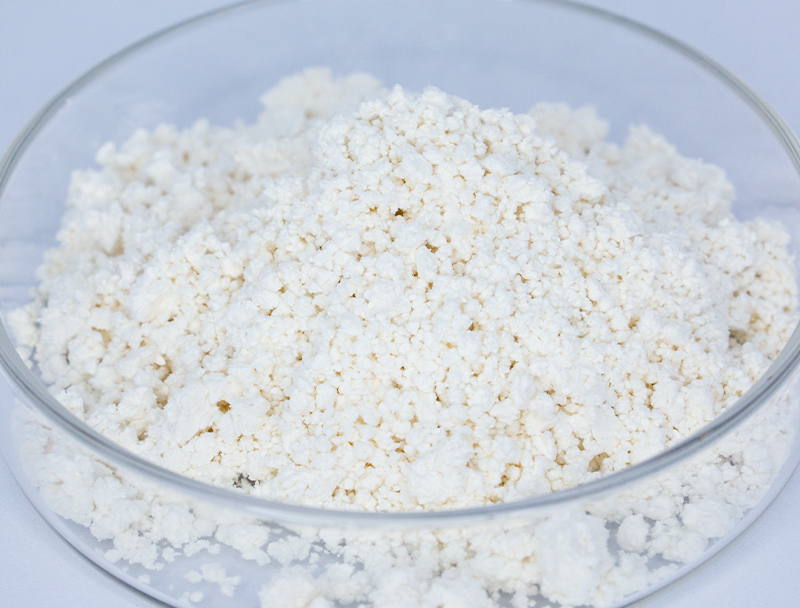
Harnessing Plant Feedstocks to Create Biodegradable Plastics
Increasing interest in sustainable materials spurs innovation in renewable resource development. Plant-origin feedstocks converted into bioplastics create promising opportunities for eco-friendly materials. Renewable inputs including cornstarch, cellulosic matter, and sugarcane biomass can be processed into biodegradable plastics that minimize long-term pollution.
Concurrently, several bioplastic formulations approximate conventional plastic traits and serve wide-ranging applications. Continuous development will unlock plant biomass value for sustainable bioplastic production and support circular systems.
Emerging Biotech Solutions for Health and Food Security
Biotechnology has emerged as a powerful tool with the potential to revolutionize global health and address food security challenges. Using genome engineering, synthetic biology techniques, and cell-based treatments, innovators devise ways to tackle pathogens, amplify yields, and improve nutrition.. One example is bioengineered crops that withstand pests and stressors, enabling higher yields with less pesticide input.. Additionally, biotech enables faster vaccine development, novel antimicrobials, and precise diagnostics critical to infectious disease control and health improvement.. With ongoing research, biotech is positioned N-Acetylneuraminic acid to enable broad improvements in health and food security that serve global populations.
GABA